


6 Surprising Reasons Why Your Next 'Big' Vacation Should Actually Be Many Small Ones.

Before we begin, I'm not saying never take a big vacation. Many of us like those big vacations, and for some, one vacation a year may be enough. I know that just one break a year is not enough for me! It's really for you! To escape routine, boredom, stress and burnout, while relaxing and enjoy time with your loved ones. Your loved ones also desire your attention and affection too.
You've spent a year planning it and probably saving for it too. The dream vacation. Two weeks somewhere exotic, maybe three time zones away. You've mapped out every museum, restaurant, and Instagram-worthy view. You've created a shared itinerary in three different apps.
Then you get there, and honestly? You're exhausted before day two even starts.
Here's the thing nobody mentions in those glossy travel magazines: big vacations abroad often stress us out more than they relax us. And the science backs this up in ways that might surprise you.
The Post-Vacation Blues Are Real (and Backed by Research)
Let's talk about what happens after you return from that two-week adventure. You'd think you'd feel refreshed for months, right?
Nope.
Studies by researcher Nawijn and colleagues found something pretty disappointing: most people felt happier before and during their vacation, but they weren't any happier after returning home. The positive effects basically evaporated within days.
Think about your last big trip. How long did that relaxed feeling actually last once you were back at your desk? A week? Three days? By the following Monday, it probably felt like the vacation never happened.
1. Why Short, Regular Breaks Actually Work Better
Here's where it gets interesting. A 2022 meta-analysis (that's a study of studies, basically the scientific gold standard) involving over 2,300 participants found that brief, frequent breaks significantly improve wellbeing and work performance.
We're talking about micro-breaks. Short holidays. Weekend getaways.
The Diamond Resorts International survey found that over three-quarters of people felt happier when they planned a trip at least once a year. But here's what matters more: it's not about one long trip. It's about regular pauses throughout the year.
Dr. Leigh Vinocur, a physician with the American College of Emergency Physicians, puts it plainly: "Periodic and regular vacations while taking time for yourself and your family lowers your stress level and decreases the release of all those stress hormones that contribute to degrading our mental and physical health."
Regular. That's the key word.
Having regular holidays spread throughout the year gives you more things to look forward to. Having things to look forward to boosts mental wellbeing by creating positive anticipation, which reduces stress, increases motivation, and fosters hope during challenging times. It acts as a mental anchor, helping to break up monotony and providing a sense of purpose and joy, even through small, planned events.
2. The Big Trip Trap: When Travel Becomes Work
Let's be honest about long-distance travel for a second.
You spend weeks and months researching flights, comparing hotels, reading reviews, creating itineraries. You stress about packing (what if it's cold? what if it's hot?). You worry about your passport, your luggage weight, whether you remembered to notify your bank.
Then comes the actual travel day. Airport security lines. Delayed flights. Lost luggage. Jet lag that hits you like a truck for the first three days. By the time you're adjusted to the time zone, you've got four days left before you have to fly home and do it all in reverse.
Oh, and don't forget:
Navigating unfamiliar public transit in a language you don't speak
Potential scams targeting tourists
Food poisoning from water or unfamiliar cuisine
The pressure to "see everything" because you spent so much money
Coming home to reverse culture shock and a massive email inbox
This isn't relaxation. This is a different kind of work.
3. The Science of Actually Unwinding
Researchers talk about something called "psychological detachment", basically, your brain's ability to properly disconnect from work stress. It's one of the most important factors in actually recovering during time off.
But here's the problem: psychological detachment is nearly impossible when you're stressed about logistics, suffering from jet lag, or panicking because you lost your wallet in a foreign country.
According to Zhang and Peng's research, people often travel for "experiencing something different" and "increasing knowledge." Those are great goals. But when the "different experience" is stressful to get to, you've already depleted your mental energy before the vacation even begins.
What a "Short Break" Actually Looks Like
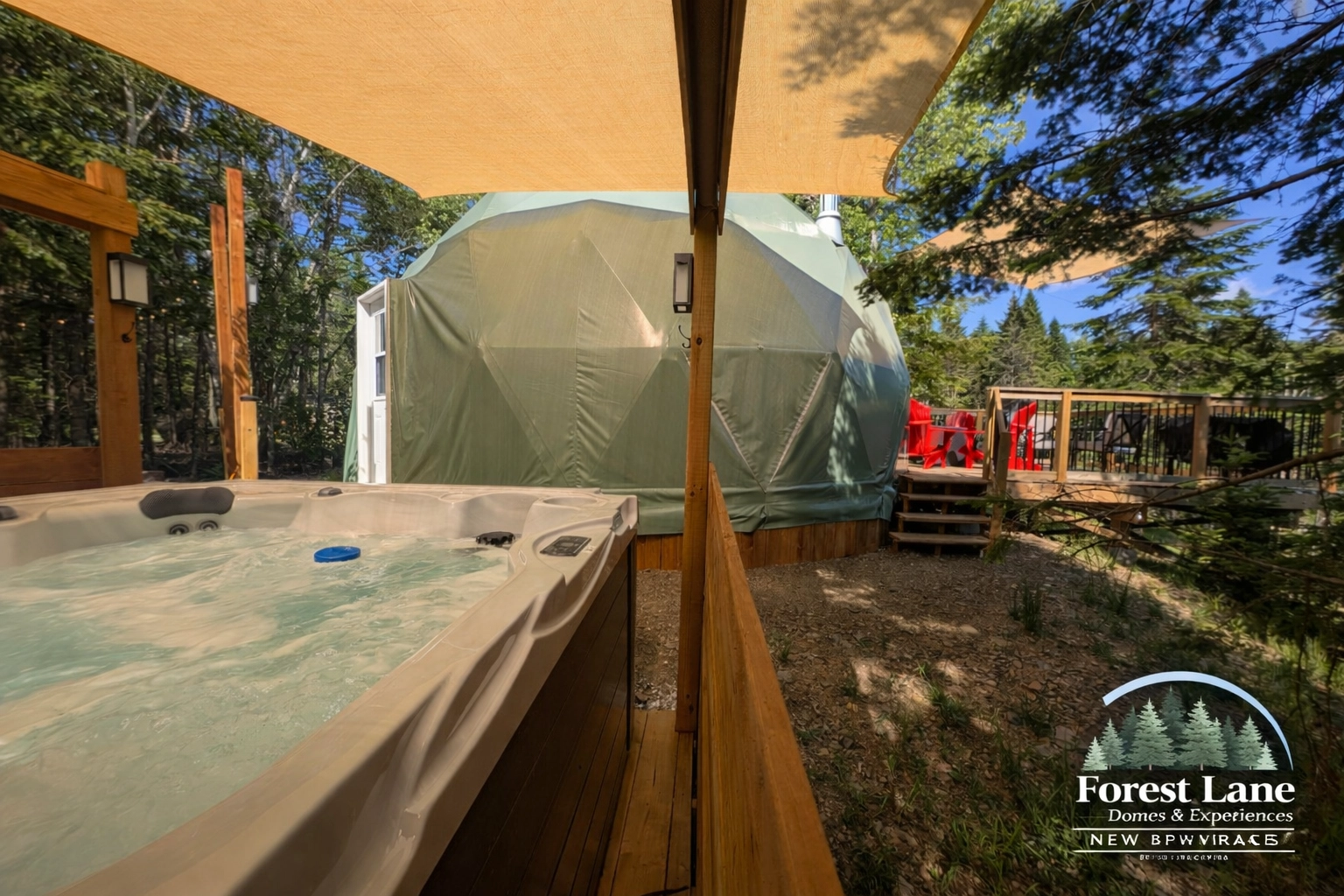
We're talking about 2-4 days. That's it.
Pick a destination that is easily accessible. Focus on one or two activities, not twelve. Leave space for what researchers might call "unstructured time" but what you'd probably call "doing absolutely nothing and it feels amazing."
A four-day vacation produces large, positive effects on stress, recovery, and wellbeing that can persist for 30 to 45 days after you return home. So that long weekend? It might give you more lasting benefit than a two-week trip abroad.
Because here's what happens: you wake up without an alarm. You make coffee slowly. You take a walk without checking a map. You cook dinner outside. You talk to your partner or friend without rushing to the next appointment or you spend precious time making memories with your kids instead of focusing on your daily chores and tasks. This will build a stronger, better quality, and longer lasting bond with the people who matter most!
The pace changes. Not dramatically: just down to human speed.

4. The Three Happiness Stages (and Why Short Trips Win)
Vacations deliver happiness in three stages:
Anticipation (before you leave)
Experience (while you're there)
Memory (after you return)
Here's the thing: research shows the anticipation boost is basically identical whether you're planning a weekend escape or a week-long international trip. You get the full happiness benefit of planning without burning through all your vacation days.
And because short trips are more affordable, you can take multiple throughout the year. A 2012 study in the Journal of Happiness Studies found that people who took several shorter vacations experienced greater overall happiness than those who took one long trip.
You're basically spreading the happiness across your whole year instead of front-loading it into two weeks.
5. When Weather Doesn't Matter (and Other Surprises)
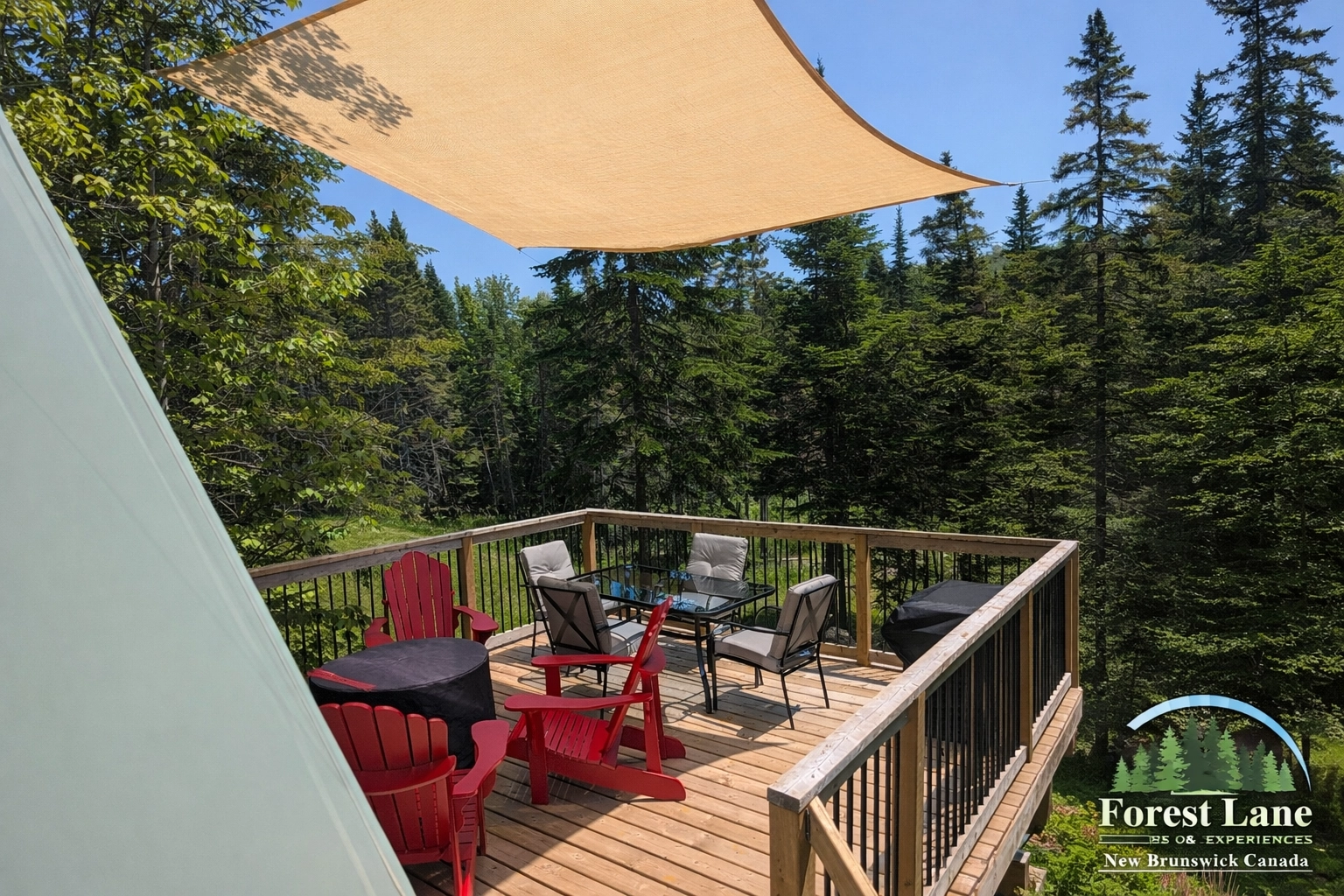
One of the unexpected benefits people mention about short countryside stays: bad weather doesn't ruin the trip.
Rain on a Thursday morning? You curl up together in the living room, laughing over board games and reaching for your favourite snacks, completely unhurried. Outside, the rain taps against the geodesic dome, wrapping the space in the coziest sounds. The world feels softer and cozier somehow. Warmer. Safer. It’s the kind of simple, happy moment where time slows down, and you realize this is exactly where you’re meant to be. It becomes part of the experience, not a disaster that wasted your expensive plane ticket.
There's also no "re-entry fatigue." No jet lag. No days wasted on recovery. Even 48 hours in a different rhythm can shift your perspective. You return home with energy, not depleted and needing a vacation from your vacation.
The American Psychology Association found that 68% of people reported more positive moods after taking time off, 66% felt energized, and 57% experienced reduced stress. Those numbers hold true for short breaks: sometimes even more so, because you haven't exhausted yourself getting there and back. And, if you take regular breaks, the shorter time between breaks would not leave you as exhausted as a year long gap would.
6. The Practical Side Nobody Talks About
Short trips are logistically simpler in ways that matter more than you'd think.
Light packing means no checked baggage fees, no luggage lines, no panic when your bag doesn't show up. You can fit everything in a backpack. If you forget something, you're close enough to home that it's not a crisis.
It's also psychologically easier to disconnect from work. When you're gone for three days, your inbox won't explode. You can actually let yourself relax instead of stress-checking emails because you're missing "too much."

Who This Works For
This isn't for everyone, and that's fine. If you thrive on long international adventures, keep doing that. One day I will write about that too.
But if you're someone who:
Comes home from big trips feeling more tired than rested
Spends the first three days of vacation recovering from the journey
Wishes you could take time off more often but can't afford weeks away
Prefers long breakfasts over packed itineraries
Likes walking without a destination in mind
Then short, local breaks might be exactly what you need.
Making It Real
Planning a short break is deliberately simple.
Book 2-4 nights. Pick one or two things you actually want to do, not a list of "must-sees." Then leave space for the unexpected: the bakery that was closed, the trail that led to an unexpected view, the conversation with the host that stretched past sunset.
Those unexpected surprises often become the stories you remember and many can turn out to be a positive experience.
The goal isn't to tick off landmarks. It's to inhabit a slower rhythm for a few days. To reset without the logistics nightmare. To come home feeling like you actually rested instead of just traveled.
And then, a few months later, do it again.
The Bottom Line
Not all recovery requires distance. Sometimes the best reset is closer than you think: a couple hours away, a few days long, and simple enough that you spend your energy enjoying the place instead of managing the trip.
The research is clear: frequent, shorter breaks deliver equal or superior wellbeing benefits compared to longer getaways. They're more affordable, more sustainable, and often more memorable because you're present enough to actually notice where you are.
Your next big vacation? It might just be a small one. And that might be exactly what you need.
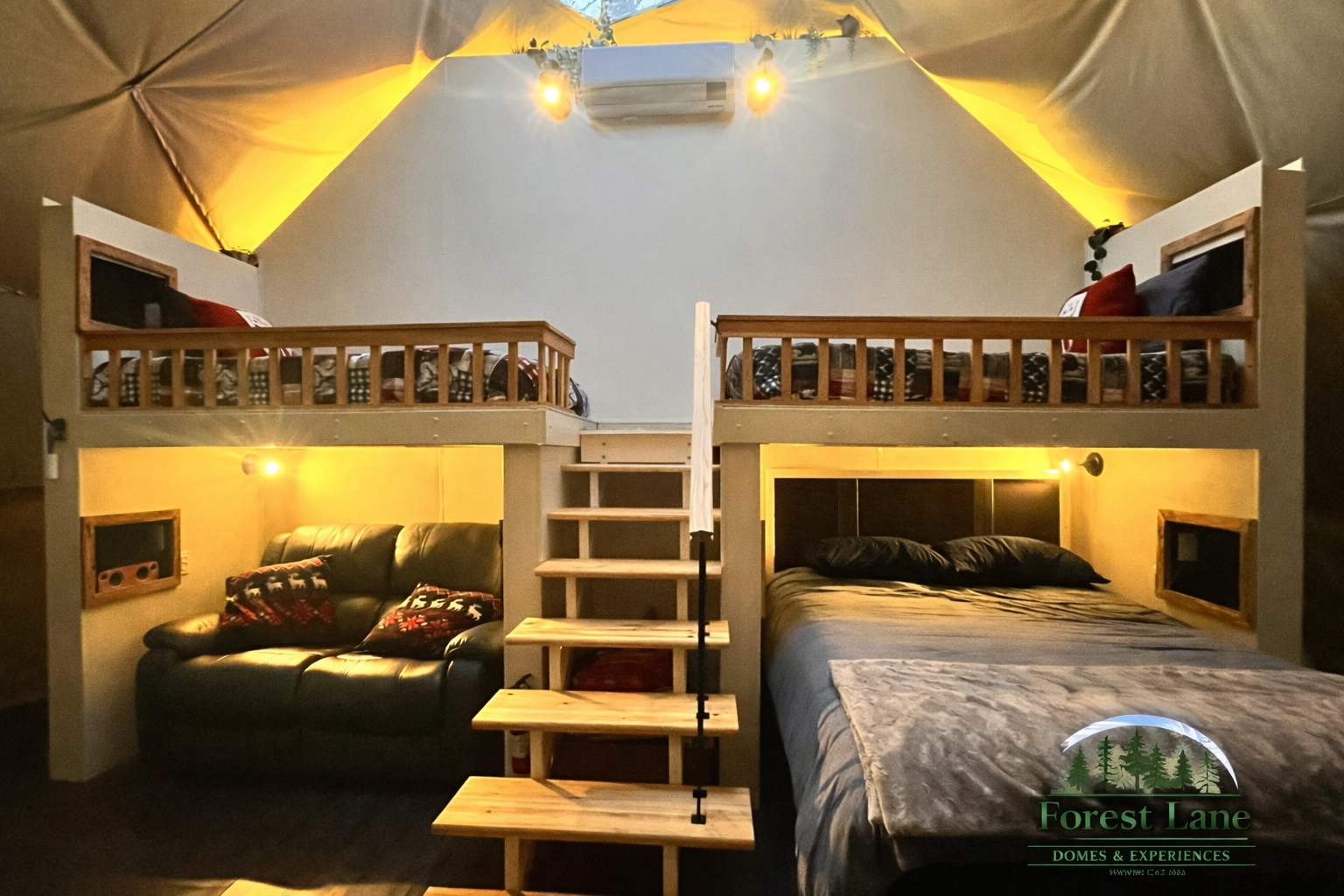
Looking for a short break? Forest Lane Domes & Experiences offers stays in the New Brunswick countryside: with easy access to the major cities, only eight minutes from the small town of Hampton, and with all the space and quiet you need to properly unwind.

Comments